
Automotive Maintenance for Champions
World-class automotive maintenance is the pinnacle of vehicle care, defined by the expertise of elite technicians and the use of cutting-edge technology. It goes beyond routine oil changes and focuses on comprehensive, preventative care performed by highly certified professionals, such as those with ASE World Class Technician status. This level of service ensures a vehicle operates at peak performance, efficiency, and safety. 4 critical benefits of world-class automotive maintenance are:
- Long-Term Cost Savings: By proactively addressing wear and tear, this level of maintenance helps you avoid costly emergency repairs and improves fuel efficiency, saving you money over time.
- Enhanced Safety: It ensures all critical safety systems, like brakes and steering, are in perfect working order, drastically reducing the risk of accidents caused by mechanical failure.
- Extended Vehicle Lifespan: Regular, high-quality care prevents minor issues from becoming major, expensive problems, prolonging the life of your car and its most vital components.
- Increased Resale Value: A documented history of meticulous, world-class maintenance proves to future buyers that the vehicle has been exceptionally well-cared for, commanding a higher price.
The Maintenance Process
Inspection
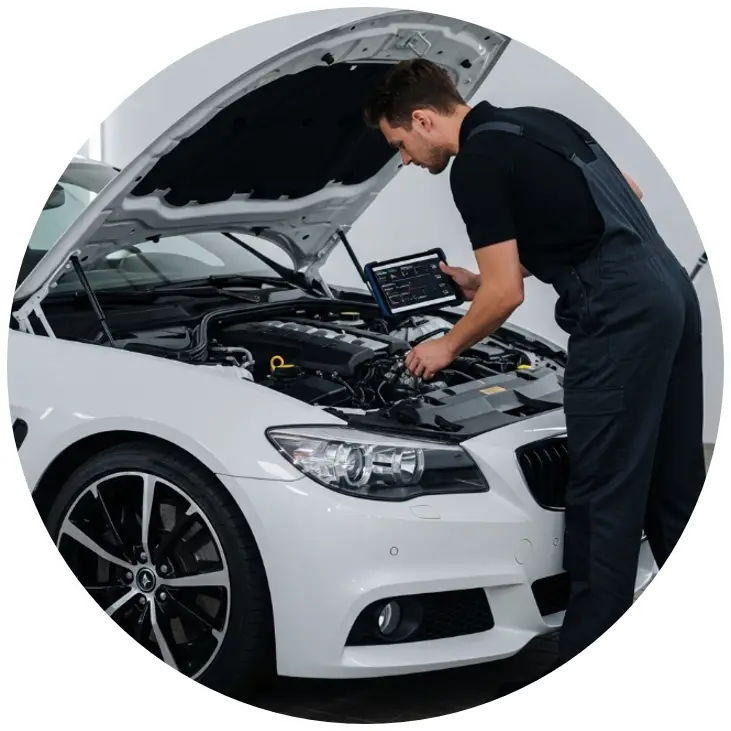
The process begins with a thorough inspection to identify any issues.
Initial Check-in: You notice a change in your vehicle of concern that needs to be investigated.
Visual Inspection: Perform a visual check of the vehicle’s exterior, interior, and undercarriage. This includes looking for obvious signs of damage, leaks, or wear.
Diagnostic Testing: For modern vehicles, a diagnostic scan tool is used to read any trouble codes from the vehicle’s computer. This helps pinpoint electronic or sensor-related problems.
System-Specific Checks: Inspect various systems like the brakes, suspension, tires, engine, transmission, and fluids. This step often involves a multi-point inspection checklist to ensure all critical components are examined.
Service / Repair
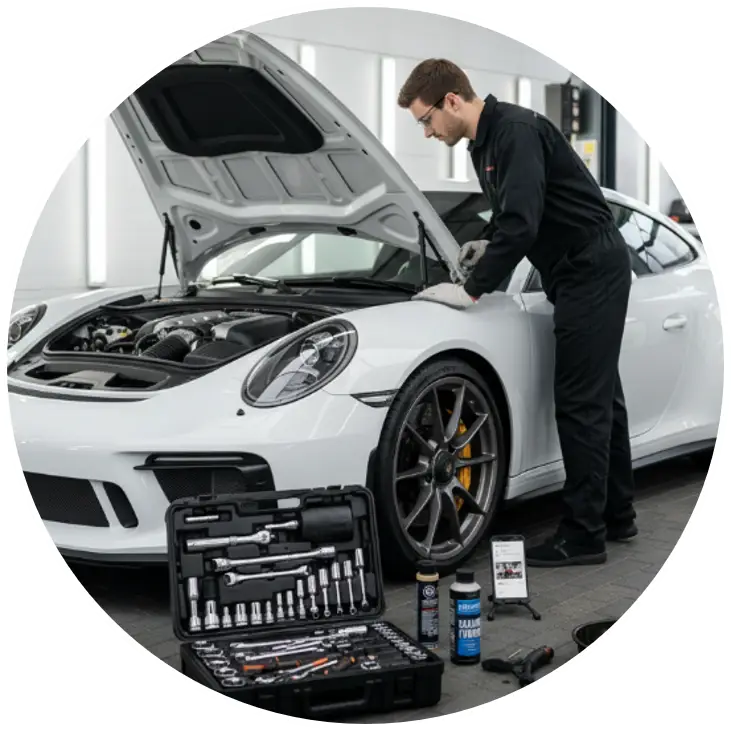
Once the issues are identified, the necessary maintenance or repairs are performed.
Service plan / Research: Based on the inspection, a conduct some research and come up with a repair plan.
Perform Service: Carry out the maintenance or repair tasks as specified from your plan. This can range from a simple oil change to a complex engine repair. Youtube is one of your best coach’s here.
Component Replacement: If noticed, worn or faulty parts should be replaced with new ones. Examples include replacing brake pads, filters, or belts.
Fluid Changes: If needed, old fluids are drained and replaced with new ones (e.g., engine oil, coolant, brake fluid).
Verification

The final phase ensures the work was done correctly and the vehicle is safe to operate.
Final Inspection: Perform a final visual and functional check to ensure all work has been completed correctly and all parts are properly installed.
Test Drive: A road test is often conducted to verify the vehicle operates as intended and the original issue has been resolved. This checks for proper handling, braking, and overall performance.
Documentation: All work performed, parts used, and labor hours are documented. This is often skipped an underestimated but important so you remember what you did for the next time / next owner.
Vehicle Clen up: Clean the vehicle and the space used to perform the work ensuring your car and garage are ready to shine again.